Suffolk Septic Experts |Septic Tank & Drain Field Services
Suffolk Septic Experts is the #1 septic in Suffolk, VA.
Our services include:
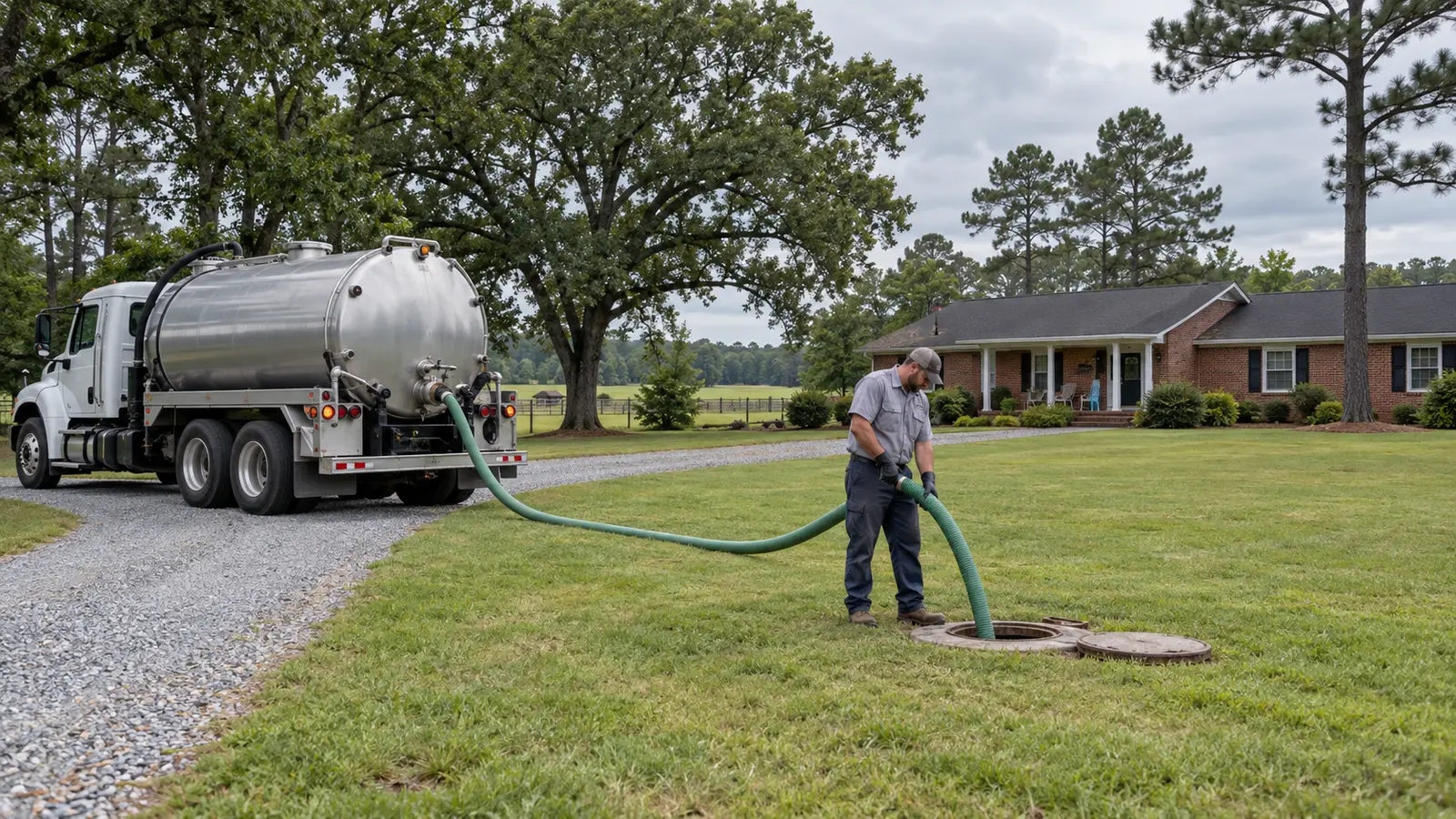
Septic tank pumping
Septic tank cleaning
Septic tank inspections (real estate inspections)
Septic tank repairs
Septic tank installation and replacement
Drain field inspections
Drain field repairs
Drain field replacement
We have over 17 years of experience in installation, business development and project management. Our goal is to make sure that your septic needs are taken care of by a team who has the expertise. With Virginia's minimum septic tank capacities for three and four bedroom homes ranging from 900 to 1,200 gallons, it's good to have the right team working on your septic systems.
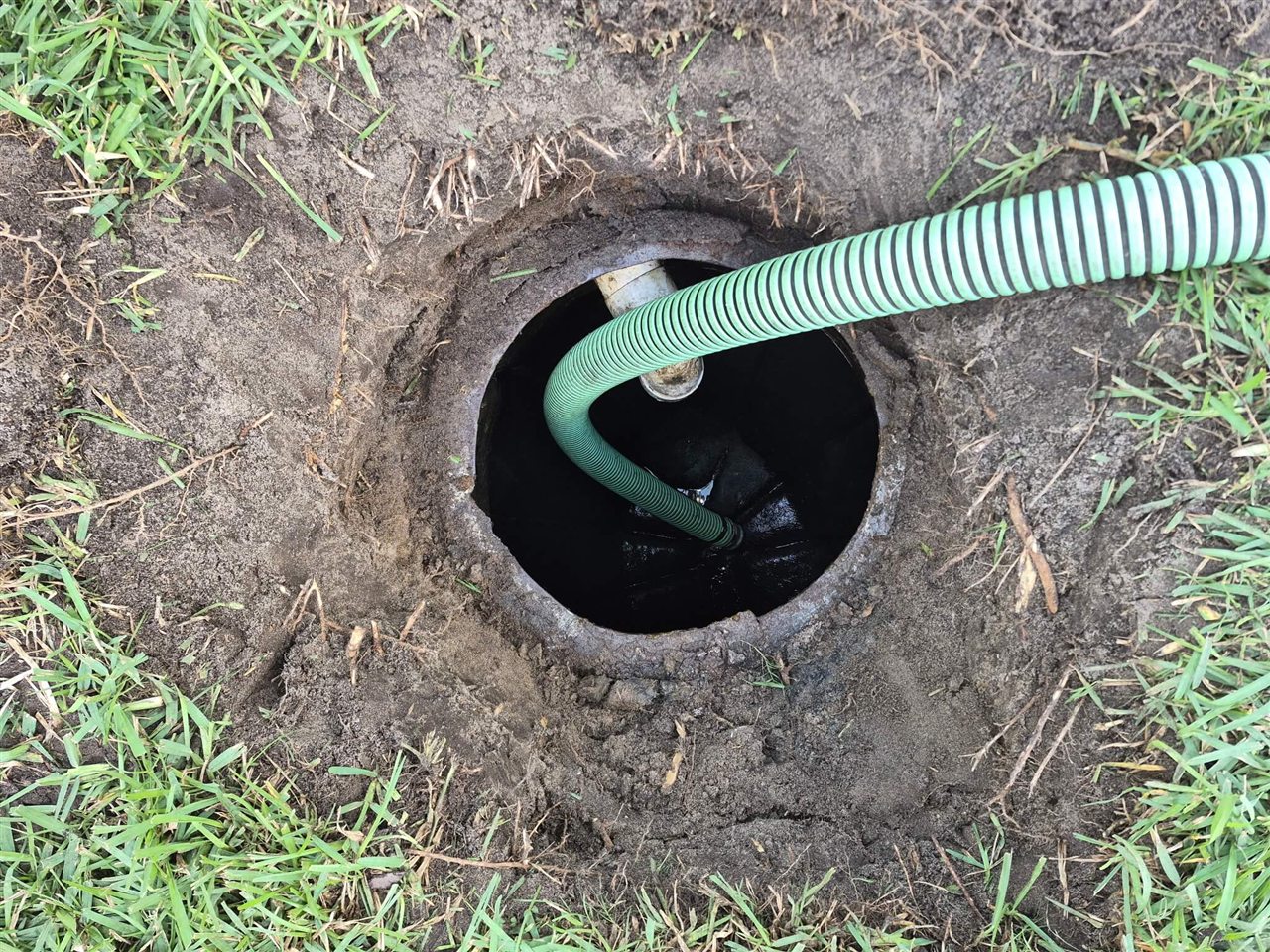
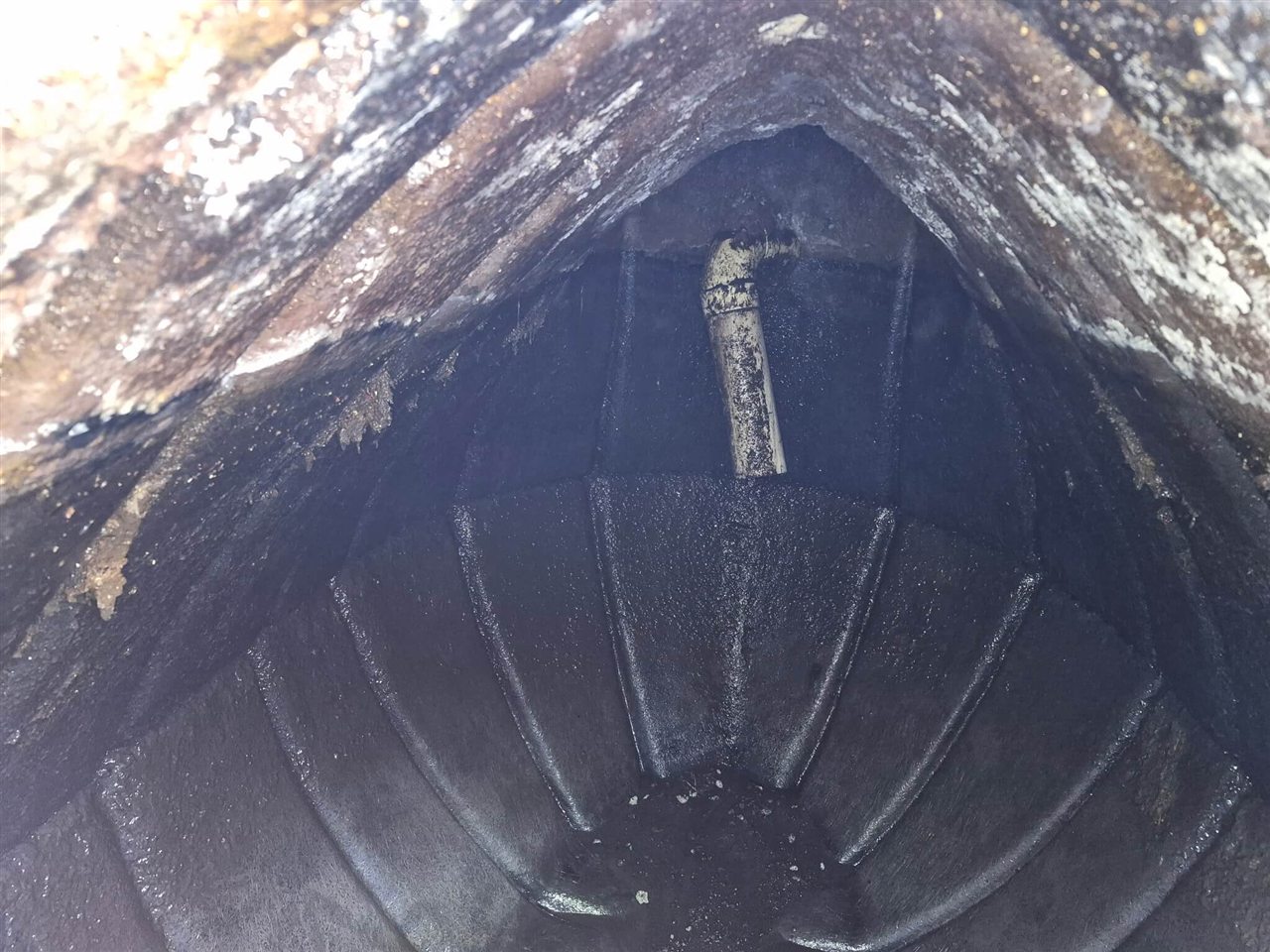
The customer needed help with a full septic tank after a backup. We took on the pumping work to remove the contents. We fully pumped the fiberglass tank with a capacity of about 1000 gallons. We then rinsed the sidewalls to clear the sludge and scum left on those surfaces. We completed the pump out and wall rinse as one service. The tank contents were removed and the fiberglass walls were cleaned of the remaining buildup.
Cost
$475
Timeline to completion
2 to 3 hours
Concrete Septic Tank Replacement
An aging tank had passed its expected service life. The customer asked us to replace it with a new septic tank. We replaced the old septic tank with a concrete unit holding 1000 gallons. The work centered on installing that replacement tank rather than pumping or cleaning the old one. We completed the replacement with a new concrete septic tank in place of the aging unit. The finished project provided the property with 1000 gallons of tank capacity.
Cost
$9,846
Timeline to completion
3 to 5 days excluding permitting
Residential & CommercialTank & Drain Field ServicesScope Before Scheduling
Why Choose Suffolk Septic Experts?
01Local in Suffolk
02On time repairs and installations, including emergency service 24 hours a day
A tank holding 900 gallons does not mean 900 gallons of treatment each day. Tank gallons describe storage. Design flow describes wastewater the system is designed to handle in a day.
Virginia minimum tank capacities for dwelling units: 12VAC5-610-815
Bedrooms
Standard design flow
Minimum tank capacity
1
150 gallons/day
750 gallons
2
300 gallons/day
750 gallons
3
450 gallons/day
900 gallons
4
600 gallons/day
1,200 gallons
5
750 gallons/day
1,500 gallons
These are the state's minimum tank examples, not a survey of what is installed in Suffolk. A three bedroom home has a standard daily design flow of 450 gallons and a listed minimum tank of 900 gallons. The approved design may specify a larger manufactured tank, pump chamber or additional treatment unit.
For an existing system, use its permit, as built layout and tank markings. A yard's soil, seasonal groundwater, setbacks and usable area determine the drain field design. A bigger tank cannot compensate for an unsuitable disposal area.
Which Tank Material Makes Sense?
Virginia's regulation names concrete as the preferred material and considers other materials case by case. That supports discussing concrete first. It does not prove that every Suffolk property has a concrete tank.
Concrete
Virginia's preferred tank material. Its weight and rigidity suit many installations, but lifting access and a level base matter. Inspect lids, seams, baffles and walls. Even a heavy tank can shift when emptied in saturated ground.
Fiberglass
A lighter composite shell that can simplify handling. Virginia considers other materials case by case. The approved model determines support, backfill and groundwater protection. Check the shell and fittings for damage.
Polyethylene
A lightweight molded plastic tank. Correct burial depth, backfill and any anchoring are essential. Approval and the manufacturer's instructions govern where it can be used. Lightweight does not mean suitable for every site.
No reliable public inventory was found showing Suffolk's installed tank sizes or material percentages. Identify the existing system from its records and inspection. Tank shells, drain fields, pumps and controls age differently; no material guarantees a replacement date.
Conventional or Alternative?
A conventional system settles waste in a tank and sends liquid to suitable soil for further treatment. Some designs use a pump to move that liquid. A pump alone does not tell you whether a system is an alternative treatment system.
Limiting soils or groundwater may call for an approved alternative onsite sewage system. Extra treatment can mean aerators, filters, controls and a service plan. Virginia's regular operator visit interval for alternative systems up to 1,000 gallons per day is every 12 months after the initial visit; follow the permit and O&M manual for the full requirements.
Concrete, fiberglass and polyethylene describe materials. Aerobic describes a treatment process. Confirm both the tank material and treatment design when comparing proposals.
What Suffolk Conditions Change
Groundwater and Wet Weather
Suffolk's pump out program identifies sandy soils and a high water table as water quality concerns. Soil and drainage still vary by parcel. Rain can reduce the unsaturated soil available for treatment, and a leaking tank can admit groundwater. A wet yard deserves diagnosis before repeat pumping.
During flooding or saturated drain field conditions, EPA advises against pumping because an empty tank can move and damage pipes. Reduce water use, avoid the affected area and have a qualified provider assess safe service conditions.
The Five Year Pump Out Program
Properties covered by Suffolk's Chesapeake Bay Preservation Area program must follow the City's five year pump out or inspection cycle. It does not apply to every septic parcel in the city. Check the zone and notice for the property, and submit the required certification and receipt.
The City's published schedule lists Zone 3 notices for July 1, 2026. Confirm the property zone and deadline with the City; a notice cycle is not the same as a recommended maintenance interval for every household.
Permits, Sewer and Additions
Western Tidewater Environmental Health can provide system layouts and review septic applications and property improvements. Begin with the existing records, sewer availability and a licensed designer's site evaluation. Keep replacement area access clear when planning a garage, pool, driveway or addition.
The initial 4 to 6 business day review allowance used for planning on this site is not an official VDH service standard. Missing records, design, agency workload and additional approvals can extend the schedule. Installation and final approval are separate stages.
Research and Local Resources
Reviewed October 28, 2026. Local records and the approved design govern your property.
Overdue pumping lets sludge and floating waste build up.
Escaped solids can clog the field.
Too Much Water at Once
Running toilets, leaks and back to back laundry loads can overwhelm the system’s capacity.
Grease, Wipes and Chemicals
Grease and wipes obstruct flow.
Harsh chemicals can disrupt treatment and harm the system.
Rain and High Groundwater
Saturated ground leaves too little space for wastewater to drain and receive soil treatment.
Roots, Traffic and Damaged Parts
Roots can enter openings.
Vehicles crush components or compact soil. Broken fittings also disrupt flow.
Age, Sizing and Equipment Neglect
Deteriorated or undersized systems struggle.
On advanced systems, missed pump and aerator care can interrupt treatment.
Septic Care: Do This. Skip That.
Do
Keep inspection, pumping and permit records.
Fix running toilets and spread laundry across the week.
Keep lids secure and the service area accessible.
Follow the maintenance plan for treatment equipment.
Don’t
Flush wipes, even those labeled flushable.
Pour grease, solvents or harsh chemicals down drains.
Park, pave or drive heavy equipment over the field.
Assume additives or another pump out fix a failed field.
Septic Questions, Clear Answers
Practical answers for Suffolk homes and businesses.
What size tank does a three bedroom home need?
Virginia's minimum table lists 900 gallons for three bedrooms. Standard residential design flow is 450 gallons per day. These figures are different measures. The approved system can include a larger tank or additional treatment components.
Does Suffolk require pumping every five years?
Covered properties within the Chesapeake Bay Preservation Area follow the City's five year pump out or inspection program. It is not a citywide rule for every parcel. Check your notice and program zone, and keep the certification form and receipt.
What material is typical for a septic tank here?
Concrete is Virginia's code preferred material and an important option to discuss. Fiberglass and polyethylene can be considered subject to approval. No reliable citywide inventory was found to establish the percentage of Suffolk tanks made from each material.
Why does the yard stay wet after rain?
Seasonal groundwater, surface drainage or a field problem may be involved. A plumbing or pump fault can cause similar symptoms. Pumping cannot lower groundwater or repair soil that cannot accept wastewater.
How often does an alternative system need service?
Virginia alternative onsite systems with average daily flows up to 1,000 gallons require regular operator visits every 12 months after the initial visit. Follow the permit and O&M manual, including any additional maintenance or sampling.
Can I add a bedroom without changing the septic?
Check the permitted bedroom capacity first. A three bedroom system is not automatically approved for a fourth bedroom. Have proposed additions and use changes reviewed before construction.
How long does septic permitting take?
Use 4 to 6 business days only as an initial application review planning allowance, not an official VDH turnaround or a full project timeline. Missing records, soil evaluation, design, agency workload and additional approvals can extend the schedule.
Is this form emergency dispatch?
No. A request does not confirm an appointment or immediate service. For active sewage overflow, reduce water use, keep people and pets away and obtain prompt professional help.